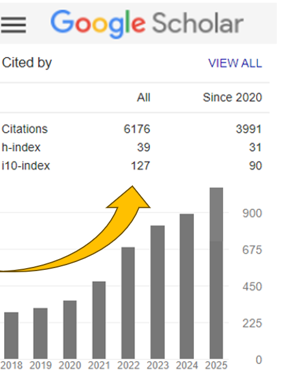
Simplify Research with a Citation Hub
Research demands precision. Citations matter. They prove your work. They build your reputation. They open doors. But managing citations? A headache. Multiple sources. Different formats. Time wasted. I found a better way. Research citation tools. They simplify the process. Save time. Improve accuracy. Boost your academic impact.
Why Use Research Citation Tools?
Manual citation is slow. Error-prone. Frustrating. Research citation tools fix that. They automate citation creation. They organize references. They format bibliographies. Here’s why you need them:
Save time - Generate citations in seconds.
Stay consistent - Use the right style every time.
Avoid errors - No more missing commas or wrong italics.
Organize sources - Keep all references in one place.
Collaborate easily - Share citations with colleagues.
Boost credibility - Accurate citations enhance your work’s trustworthiness.
For scholars aiming for career advancement, especially those applying for EB-1 or EB-2 NIW, citation accuracy is critical. It reflects professionalism and attention to detail. Research citation tools help you meet these standards effortlessly.

Types of Research Citation Tools
Not all citation tools are the same. Choose one that fits your needs. Here are the main types:
1. Reference Management Software
Examples: EndNote, Zotero, Mendeley
Features: Store PDFs, organize references, insert citations into documents
Best for: Long-term research projects, managing large libraries
2. Integrated Writing Tools
Examples: Microsoft Word citation manager, Google Docs add-ons
Features: Insert citations while writing, automatic bibliography updates
Best for: Seamless writing and citing experience
3. Specialized Platforms
Example: citation hub
Features: Focus on boosting academic impact, increasing citations, tailored for career advancement
Best for: Scholars seeking recognition and citation growth, especially for immigration-related academic credentials
Each tool has strengths. Pick based on your workflow and goals.

What is the citation Hub?
The citation Hub is a specialized platform designed to simplify citation management and amplify academic impact. It’s not just a tool; it’s a hub for researchers who want to:
Track citations easily
Increase visibility of their work
Connect with other scholars
Streamline the citation process for career advancement
The platform supports scholars applying for EB-1 and EB-2 NIW by helping them showcase their research impact through verified citations. It offers:
Citation tracking dashboards
Automated citation suggestions
Integration with popular reference managers
Resources for improving citation counts
Using the citation Hub means less time managing citations and more time focusing on research quality and career growth.

How to Choose the Right Citation Tool
Choosing the right tool depends on your needs. Consider these factors:
Compatibility: Works with your writing software?
Citation styles: Supports APA, MLA, Chicago, etc.?
Ease of use: Intuitive interface or steep learning curve?
Collaboration: Can you share references with peers?
Cost: Free or subscription-based?
Features: PDF management, citation tracking, alerts?
Try free versions first. Test how they fit your workflow. For career-focused researchers, tools that offer citation tracking and impact analytics are valuable. The citation Hub is a prime example.
Tips for Maximizing Citation Efficiency
Use citation tools smartly. Here’s how:
Start early: Add sources as you research.
Organize by project: Keep references grouped.
Double-check formats: Automated tools help but verify.
Use alerts: Track when your work is cited.
Back up data: Export your library regularly.
Leverage integrations: Sync with writing apps and databases.
These habits save time and reduce stress. They also improve the quality of your citations, which is crucial for academic recognition.
Boost Your Academic Impact with Citation Tools
Citations measure influence. More citations mean more recognition. This can lead to:
Invitations to conferences
Research funding opportunities
Career advancement
Successful EB-1/EB-2 NIW applications
Use citation tools to monitor and increase your citations. The citation Hub offers unique features to help you do this effectively. It’s a strategic asset for any serious researcher.
Start using research citation tools today. Simplify your workflow. Enhance your academic profile. Get the recognition you deserve.