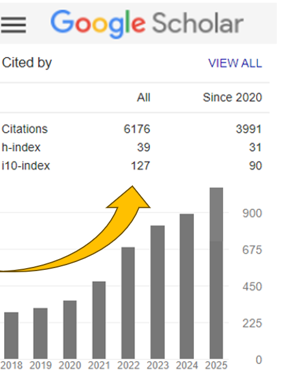
Simplify Peer Review with Expert Peer Review Support
Peer review is a critical step in academic publishing. It validates research, improves quality, and builds credibility. But the process can be slow, complex, and frustrating. I’ve found that expert peer review support can make a big difference. It streamlines the process, reduces errors, and helps you focus on your research.
Why Peer Review Support Matters
Peer review support is not just a luxury. It’s a necessity for scholars aiming to advance their careers. Here’s why:
Saves time: Peer review can take months. Support services speed up the process.
Improves quality: Experts catch errors and suggest improvements.
Increases acceptance chances: Well-reviewed papers have higher acceptance rates.
Boosts confidence: Knowing your work is vetted by professionals reduces stress.
Enhances reputation: Quality publications lead to more citations and recognition.
Using peer review support means you don’t have to navigate the process alone. You get guidance, feedback, and practical help.

How Peer Review Support Works
Peer review support services offer a range of tools and assistance. Here’s what you can expect:
Manuscript assessment: Experts evaluate your paper before submission.
Feedback on structure and content: Suggestions to improve clarity and flow.
Technical editing: Fix grammar, spelling, and formatting issues.
Compliance check: Ensure your paper meets journal guidelines.
Reviewer matching: Connect with qualified reviewers in your field.
Response preparation: Help drafting replies to reviewer comments.
These services reduce the back-and-forth with journals. They help you submit a polished, professional manuscript.
What is the golden rule of peer review?
The golden rule of peer review is simple: Be constructive and respectful. Reviewers should provide feedback that helps authors improve their work without being harsh or dismissive. As an author, you should:
Accept criticism with an open mind.
Use feedback to strengthen your paper.
Respond politely and clearly to reviewer comments.
Avoid personal attacks or defensiveness.
Following this rule creates a positive peer review environment. It leads to better research and smoother publication.

Practical Tips to Simplify Peer Review
You can take steps to make peer review easier on your own. Here are some practical tips:
Prepare thoroughly
Follow journal guidelines exactly.
Use clear, concise language.
Include all necessary sections and references.
Use professional editing
Hire an editor or use peer review support services.
Check for grammar and formatting errors.
Choose the right journal
Match your paper’s topic and scope.
Consider journal impact and review times.
Respond carefully to reviewers
Address every comment.
Provide evidence or explanations.
Stay polite and professional.
Keep track of deadlines
Submit revisions on time.
Follow up if needed.
These steps reduce delays and improve your chances of acceptance.
How to Access Peer Review Assistance
If you want to simplify peer review, consider using peer review assistance. This service offers expert help tailored to your needs. Here’s how to get started:
Visit the platform and create an account.
Upload your manuscript for review.
Choose the type of support you need.
Receive detailed feedback and editing.
Use the guidance to improve your paper.
Submit with confidence.
This assistance is especially valuable for researchers aiming to boost their academic impact and career prospects. It’s a smart investment in your future.
Maximizing Your Academic Impact with Peer Review Support
Peer review support is more than just a convenience. It’s a strategic tool to increase your citations and recognition. Here’s how it helps:
Improved paper quality attracts more readers.
Faster publication means your work reaches the community sooner.
Better journal fit increases visibility.
Professional responses to reviewers build your reputation.
For those pursuing EB-1 or EB-2 NIW applications, strong publication records are crucial. Peer review support helps you build that record efficiently.
Use peer review support to:
Enhance your CV.
Gain invitations to conferences.
Secure funding and collaborations.
Advance your academic career.
The right support turns peer review from a hurdle into an opportunity.
Peer review doesn’t have to be a bottleneck. With expert peer review support, you can simplify the process, improve your work, and accelerate your career. Take control of your research journey today.